
Eco-Friendly Kitchen Remodeling in Boyertown, PA
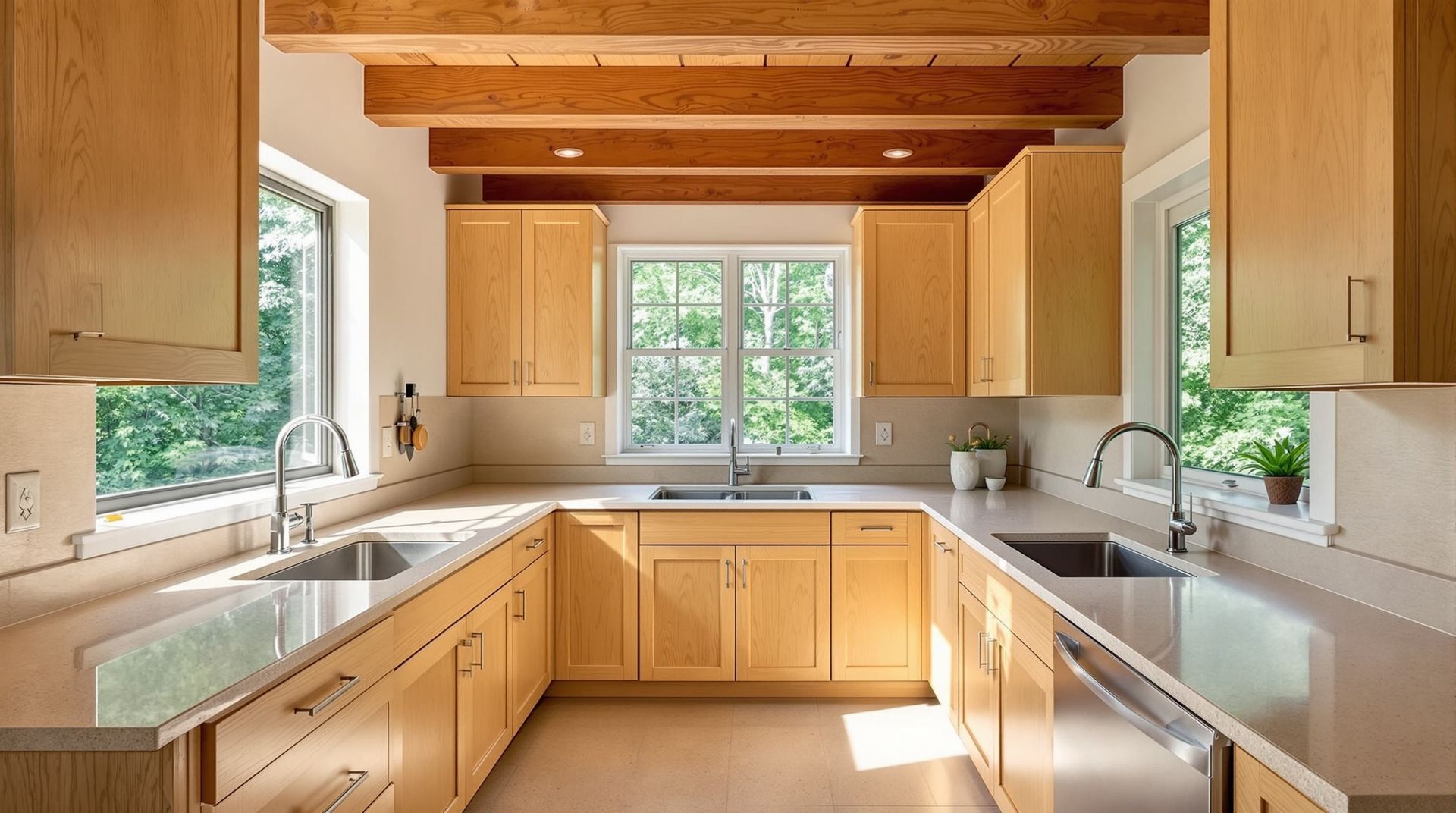
Updating a kitchen in an older Boyertown home can feel like a project you have been mentally planning for years. Maybe the cabinets stick, the drawers sag, or the flooring just looks tired no matter how often you clean it. When you finally start thinking about new materials, it is natural to want things that look good, last, and do not create more waste than necessary. Sustainable kitchen remodeling is not about redoing your whole house. It is simply about choosing materials that make everyday life easier and feel good to live with.
If your home has a few decades behind it, you already know how differently materials age. Some hold up beautifully while others make you wonder why they were ever used in the first place. That is why sustainable choices make sense. They are usually stronger, easier to maintain, and more comfortable to use day after day. At its core, sustainability is about choosing long-lasting, low-fuss, low-waste materials that fit the way you live.
In this guide, we will walk through the materials and upgrades that tend to make the biggest difference in an eco-friendly kitchen remodel. You will see ideas that work well in Boyertown homes, along with simple examples to help you picture how these choices might fit into your own space.
What “Sustainable” Really Means in a Kitchen Remodel
Sustainability can sound like a big idea, but in a kitchen remodel it really comes down to choices that help your home work better and make your daily routine feel easier. When we break it down together, it is mostly about how long a material lasts, how it affects the environment, and how it influences the air you breathe. Many older Boyertown kitchens benefit in all three areas because the materials used decades ago were not built with the standards we expect today.
Here is where durability comes in. When a material holds up, you are not replacing it every few years. Strong cabinet boxes, well-made flooring, and dependable finishes stay in place for a long time, which naturally creates less waste. If your kitchen was built in the 60s or 70s, you may already know how quickly particleboard or thin vinyl can wear out. Upgrading to something sturdier instantly puts you on a more sustainable path.
Environmental impact is the next piece of the picture. Every material has a story before it becomes part of your home. Some are made from recycled content. Some are harvested responsibly. Others require less energy to produce. When you choose something like recycled quartz or responsibly sourced wood, you support better practices without giving up the look or performance you want.
Cabinets That Support a Greener Home
Kitchen cabinets play a big role in both style and function, and they often set the tone for the rest of your kitchen design. Sustainable choices here improve both everyday comfort and long-term performance while giving you a chance to rethink the overall flow of your kitchen.
1. Responsibly sourced wood
Look for certifications that confirm the wood was harvested responsibly. For example, FSC-certified cabinets come from forests managed for long-term health. You still get the same look and style you want, just with more transparency about where the materials come from.
2. Low-VOC finishes
This helps more than most people expect. Older finishes can release odors and chemicals long after installation. Low-VOC stains and sealants reduce that. If you cook often or have children or pets, you will likely appreciate this change.
3. Reclaimed or upcycled wood options
Reclaimed wood adds warmth and character. It is a practical choice if you enjoy a rustic or natural style. Some reclaimed pieces even come from barns or mills in the region, which adds a fun story to your kitchen. Variation in texture makes it best for relaxed spaces rather than modern designs.
4. Match materials to daily use
Think about how you store, cook, and move through the room. Cabinets take constant handling, so sturdy boxes and durable finishes matter. Focusing on function first makes sustainability easier.
A good rule of thumb is to choose cabinets that feel dependable every time you open them, because that everyday experience tells you more than any label ever will.
Eco-Friendly Countertop Choices
Countertops often end up being one of the most used surfaces in the home. Choosing something sustainable means picking a material that suits your habits and lasts a long time.
1 Recycled and composite surfaces
Recycled quartz and glass composites keep usable material out of landfills. They offer durability similar to standard quartz, so you get a long-lasting surface without a premium price.
1. Natural stone with thoughtful sourcing
Soapstone, granite remnants, and sustainably harvested butcher block are all reasonable options. Soapstone ages nicely, though you may want to oil it from time to time. Granite remnants let you use leftover pieces rather than pulling from new slabs. Butcher block can be refinished, which gives it a longer lifespan.
2. Fit the material to your cooking habits
Someone who cooks daily may prefer a surface that handles heat and spills easily. If you want low-maintenance, a sealed stone or composite may work best.
3. Avoid short-lived materials
Cheaper laminate or soft stones may wear out quickly. Once you replace them, the sustainable benefit disappears.
Choosing a surface that feels comfortable to use every day and fits the way you cook makes the whole kitchen feel more enjoyable.
Green Flooring Options That Hold Up Well
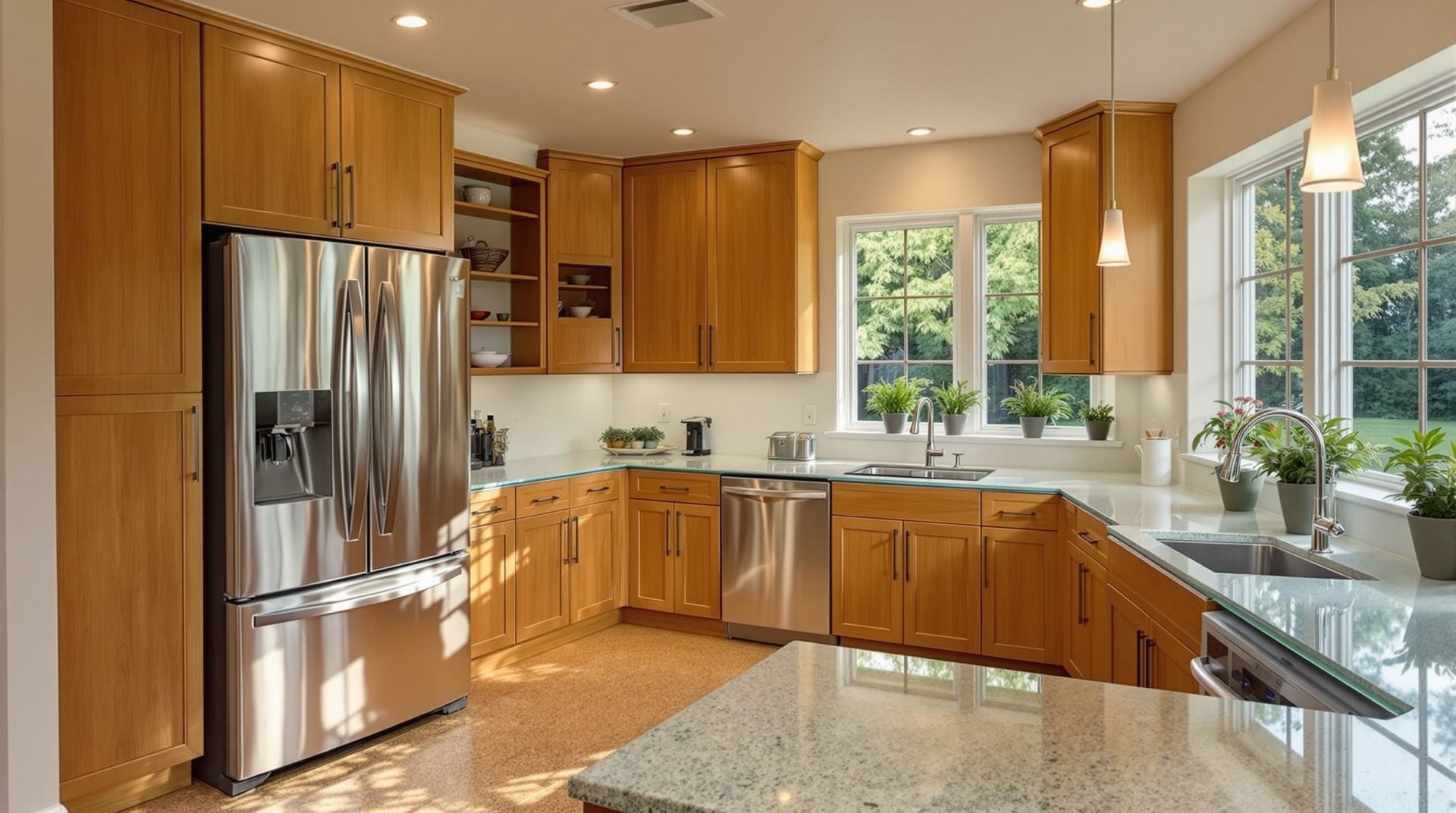
Floors take constant traffic, dropped pans, spills, and everything else a family kitchen goes through. In Boyertown homes, it is also common to find older subfloors that need attention. Here are sustainable choices that perform well over time.
1. Bamboo and cork
These materials regenerate quickly, which keeps their environmental impact lower. Bamboo performs similarly to hardwood. Cork has a warm, cushioned feel that makes longer cooking sessions more comfortable.
2. Recycled tile and porcelain
Recycled tile incorporates reclaimed glass or ceramic. Porcelain tile is tough and handles moisture and heavy use, which helps in older kitchens with uneven temperatures.
3. Choose materials that work with existing subfloors
Keeping your existing subfloor reduces demolition waste. Some flooring products need different prep work, so choosing something compatible saves time and materials.
4. Think about how the room feels
Tile is durable but cool underfoot. Bamboo and cork feel warmer, though they need proper sealing to handle moisture.
Choosing something that feels natural to walk on and works with how you use the room every day can make the entire space more enjoyable.
How to Choose the Right Sustainable Materials
Choosing sustainable materials does not have to feel overwhelming. It becomes clearer once you think about how your home functions day to day.
- How long will the material last
- How much maintenance does it need
- Is it responsibly sourced or recycled
- Does it fit the style and layout of an older Boyertown kitchen
- Will it work with your existing structure instead of requiring heavy demolitio
Homes in this area sometimes have uneven floors, plaster walls, or older plumbing. Materials that work with these quirks help create a smoother, less wasteful remodel.
Take time to compare materials in person. Many homeowners change their minds after seeing how a countertop looks in natural light or how a cabinet finish feels to the touch.
Conclusion
Sustainable remodeling is really about making your kitchen easier to live in and easier to maintain. You do not need to commit to a fully green remodel to make meaningful improvements. Even small choices, like low-VOC finishes or efficient lighting, add up to a healthier kitchen.
If you take it step by step and choose materials that feel right for your home, the process becomes much more manageable. Older Boyertown kitchens respond especially well to thoughtful updates. A durable surface here and a smart upgrade there can change the way your space feels.