
What is the Average Cost of a Bathroom Remodel in Pennsylvania?
Average Bathroom Remodel Costs in Pennsylvania
Regional Cost Variations Across Pennsylvania
Cost Breakdown by Bathroom Components
Factors That Increase Remodel Costs
Ways to Save Money on Your Pennsylvania Bathroom Remodel
Pennsylvania Specific Considerations
Return on Investment for Pennsylvania Homeowners
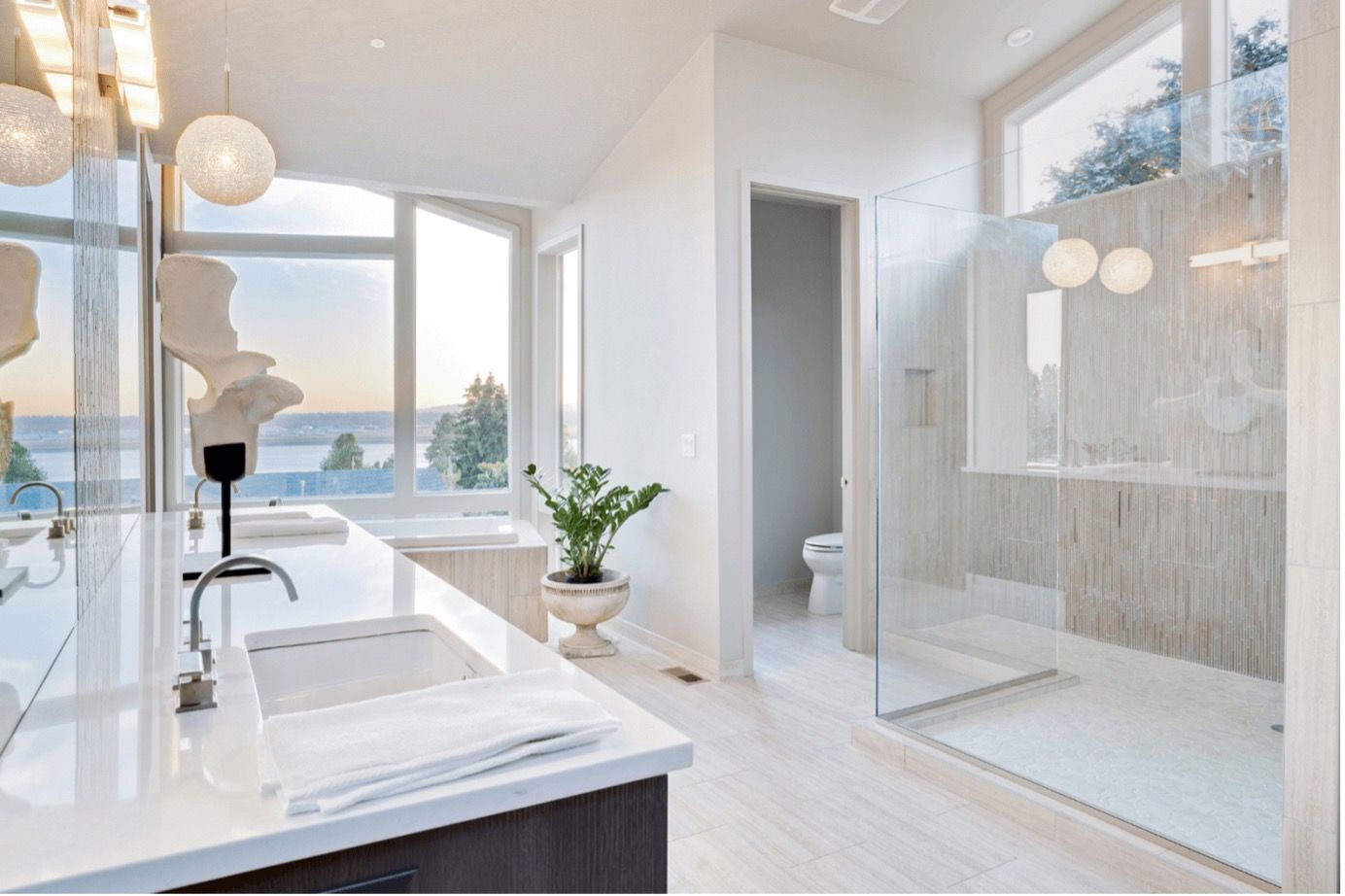
Bathroom remodel costs in Pennsylvania are rarely simple and almost never uniform. Two homes with bathrooms that look similar online can end up with final costs that differ by tens of thousands of dollars. That gap usually has little to do with trends or taste. More often, it comes down to the home's age, existing systems, and the amount of work required behind the walls.
That reality is closely tied to Pennsylvania’s housing stock. The state has one of the oldest collections of homes in the country, and many bathrooms were built long before modern plumbing standards, ventilation requirements, or electrical loads were expected. Galvanized pipes, undersized drain lines, outdated wiring, and non-standard framing remain common, especially in homes built before the 1980s. These conditions influence bathroom remodel costs early in the process, often before design choices are even considered.
Because of this, searching for the average cost of a bathroom remodel in Pennsylvania can quickly become frustrating. National averages and broad estimates rarely account for regional pricing, local regulations, or the realities of older construction. A small bathroom in a Philadelphia row home, a guest bathroom in a suburban split-level, and a primary bathroom in a rural property may all fall under the same category on paper. In practice, each can require a very different project scope.
Those differences become even clearer when looking beyond surface updates. A remodel that keeps plumbing lines in place and replaces finishes follows a very different cost path than a full bathroom remodel that involves layout changes, electrical work, or upgraded plumbing fixtures. Material and labor costs, permit fees, and the condition of the current bathroom all contribute to the total cost, and those factors often matter more than square footage alone.
With that in mind, this guide explains where those cost differences come from and how they affect real projects. We break down average bathroom remodel costs across Pennsylvania, show how pricing changes by region, and explain where money is typically spent in a bathroom renovation project. We also cover common hidden costs, realistic budgeting strategies, and which upgrades tend to support resale value rather than inflate the final cost without long-term benefit.
If you are planning a bathroom remodel and are considering the average bathroom remodeling cost in Pennsylvania, this article is meant to help you understand pricing before you start collecting estimates. Knowing what drives cost puts you in a stronger position to plan responsibly, ask better questions, and make decisions that align with your home and your budget.
Average Bathroom Remodel Costs in Pennsylvania
The average cost of bathroom remodeling in Pennsylvania can be difficult to determine. That's why we've broken things down below to give you a better idea. Just know that bathroom remodel costs in Pennsylvania typically range from $2,373 to $52,195 overall.
Bathroom Remodel Cost Ranges by Project Scope
The average bathroom remodel pricing in Pennsylvania depends largely on the scope of work. A simple refresh looks very different from a full remodel, and that difference explains much of the price range homeowners encounter when researching remodeling costs.
A budget remodel typically falls between $3,000 and $10,000. Projects in this range focus on surface updates rather than major changes. Many homeowners replace plumbing fixtures, update lighting, install a new bathroom vanity, and refresh finishes while keeping plumbing lines and the existing layout in place. This approach is common for a half bath or small bathroom where the goal is improvement rather than transformation.
A mid-range bathroom remodel usually costs between $10,000 and $25,000. This level allows for higher-quality materials and more noticeable upgrades without changing the layout. Homeowners often choose porcelain tile, mid-range fixtures, upgraded storage, and improved electrical systems. In Pennsylvania, this is the most common remodel type for a guest bathroom or a full bathroom that needs more than cosmetic updates.
A high-end remodel typically starts at around $25,000 and can exceed $60,000, depending on the bathroom's size and design choices. Larger bathrooms, luxury fixtures, custom cabinetry, natural stone surfaces, soaking tubs, walk-in shower designs, and expanded electrical work all contribute to a higher total cost. Primary bathroom and master bathrooms are most often remodeled at this level, especially when homeowners plan to stay in the home long term.
How Bathroom Type Affects Overall Cost
Bathroom type plays a major role in pricing. A half bath typically costs less than a full bathroom remodel because it has fewer plumbing fixtures and less square footage. A full bathroom includes a tub or shower, additional tile work, and more complex plumbing connections, which increase labor costs and material needs.
Primary bathroom remodels tend to cost the most. These spaces are often larger and include double vanities, premium materials, and higher expectations for storage and comfort. Guest bathrooms usually fall in the middle, balancing durability and design without the same level of customization.
Pennsylvania Costs Compared to the National Average
Compared to the national average, Pennsylvania bathroom remodel costs often fall slightly below or near national figures. That comparison, however, does not tell the full story.
Regional pricing, labor availability, and local regulations influence remodeling costs more than statewide averages alone. In some metropolitan areas or older neighborhoods, costs may exceed national averages even when bathroom size is modest.
Where the Money Typically Goes
Across most bathroom renovation projects, costs tend to fall into a few main categories.
- Labor costs generally account for 40 to 60 percent of the total cost, especially when plumbing or electrical work is involved. The cost of labor for skilled trades in Pennsylvania has risen, with licensed plumbers commanding $85 to $175 per hour.
- Materials such as tile, vanities, countertops, and fixtures usually make up 30 to 50 percent.
- The remaining portion covers permit fees, design services, demolition, and additional materials discovered during the project. Municipal permits required for bathroom renovations can range from $100 to $1,500, depending on complexity.
Understanding this breakdown helps explain why small changes in project scope can have a noticeable effect on the final cost.
Regional Cost Variations Across Pennsylvania
Bathroom remodel costs in Pennsylvania do not move evenly across the state. As you now know, regional pricing plays a major role in what homeowners ultimately pay, even when bathroom size and project scope appear similar. Plus, labor availability, cost of living, and local regulations all contribute to these differences.
| Relative Cost Level | Key Cost Influences | What This Means |
|---|---|---|
| Higher | Labor rates, older homes, and permit complexity. | Even small bathrooms may require system upgrades. |
| Moderate | Older construction, varied neighborhood pricing. | Project scope matters more than bathroom size. |
| Moderate to Lower | Easier access, steadier labor supply. | Mid-range remodels are more predictable. |
| Variable | Township rules, mixed home ages. | Costs shift based on local requirements. |
| Variable | Limited trades, travel, and delivery. | Logistics can offset lower labor rates. |
Philadelphia Metro Area Costs and Influences
The Philadelphia metro area typically sits at the higher end of Pennsylvania bathroom remodel costs. Labor costs are higher, permit fees are more involved, and many homes are older, increasing the likelihood of plumbing and electrical updates.
In addition, row homes and tightly built properties often limit access and workspace, which can increase labor time and overall cost.
In this region, even a small bathroom remodel can exceed statewide averages if the project involves outdated systems or structural limitations. Material transportation and disposal fees can also add to remodeling costs in dense urban areas.
Pittsburgh and Surrounding Areas
Pittsburgh and its surrounding suburbs often fall closer to the statewide average, though pricing can still vary by neighborhood. Also, since older housing stock is common here as well, bathroom renovation projects often involve aging plumbing lines or non-compliant electrical systems.
Labor costs are generally lower than in Philadelphia, but complex layouts and older construction methods can still push costs higher for full bathroom remodels. Homes with multiple levels or difficult access may also require additional labor time.
Harrisburg and Central Pennsylvania
Central Pennsylvania tends to offer more moderate remodeling costs overall. Labor availability is steadier, permit processes are often simpler, and homes are more likely to have layouts that make updates easier. For many homeowners in this region, a mid-range bathroom remodel falls comfortably within expected budget ranges.
That said, larger bathrooms, custom cabinetry, and premium materials can still raise the total cost quickly, especially when paired with an expanded project scope.
Rural Pennsylvania Cost Considerations
In rural areas, bathroom remodel costs can move in either direction. Labor rates may be lower, but availability can be limited, which sometimes leads to longer timelines. Material delivery, specialized trades, and permit requirements can also increase costs if contractors must travel long distances.
Additionally, because older homes are common in rural Pennsylvania, issues such as outdated plumbing or limited electrical capacity are often discovered once demolition begins. These factors contribute to unexpected expenses that homeowners should plan for.
What Drives Regional Pricing Differences
Several factors consistently influence regional pricing across Pennsylvania:
- Labor costs and availability vary by market, especially for licensed plumbers and electricians.
- Material transportation and availability affect pricing in both urban and rural areas.
- Local building codes and permit fees differ by municipality and can add time and cost to a bathroom renovation project.
- Cost-of-living trends also play a role, as they affect contractor rates and overhead.
Taken together, these elements explain why the same remodel type can vary widely depending on location.
Cost Breakdown by Bathroom Components
Looking at a bathroom remodel as one total number can make it difficult to understand where costs actually come from. Breaking the project down into individual components gives a clearer picture of how material choices, labor costs, and project scope, as discussed earlier, influence the final cost.
Each part of the bathroom carries its own pricing range and its own potential for unexpected expenses:
Plumbing and Fixtures
Plumbing is often one of the largest cost drivers in a bathroom renovation project. Replacing a toilet or sink typically falls within a manageable range when plumbing lines remain in place. However, costs rise quickly when fixtures are relocated or when an aging plumbing system needs updates to meet current standards.
Vanity sinks, faucets, and shower fixtures vary widely in price based on material quality and design. A basic fixture replacement may fit comfortably within a remodel budget, while premium or luxury fixtures add to both material and labor costs. Then, moving plumbing lines is one of the most significant cost factors in a full bathroom remodel, as it often requires opening walls and floors and coordinating licensed plumbing work.
Shower and tub updates also vary. Installing a new tub, converting a tub to a walk-in shower, or refinishing existing surfaces all carry different cost implications. In Pennsylvania homes, older tubs and drains sometimes also require additional work once demolition begins.
Flooring
Flooring costs depend on square footage, material choice, and installation complexity. For many bathroom remodels, ceramic and porcelain tile remain popular options because they handle moisture well and hold up over time. When natural stone flooring enters the picture, costs tend to rise, since heavier materials and specialized installation increase both material and labor costs.
Beyond tile, vinyl and luxury vinyl flooring provide lower cost alternatives and are often chosen for small bathrooms or half baths where budget control matters. On the other end of the range, heated flooring systems introduce a different set of considerations. These systems add comfort, but they also require additional electrical work and a more involved installation, particularly when retrofitted into an existing bathroom.
No matter the material, installation plays a major role in the final number. Labor for flooring can account for a significant portion of the overall cost, especially when subfloor repairs, leveling, or moisture-related issues must be addressed before new flooring can be installed.
Walls and Surfaces
Wall finishes play a major role in appearance and budget. In many bathroom renovation projects, tile work in showers, tub surrounds, and backsplashes increases material and labor costs while offering durability and water resistance. As tile choices become more detailed, larger tile formats or complex layouts can further increase installation time.
Outside wet areas, paint remains a lower-cost option, provided moisture-resistant products are used. At the same time, wainscoting and beadboard are often chosen to add visual interest, though they introduce additional materials and labor. Throughout all of these choices, waterproofing remains a critical consideration, particularly in older Pennsylvania homes where previous installations may not meet current standards.
Lighting and Electrical
Electrical work often goes beyond fixture replacement. In many bathroom remodels, vanity lighting, overhead fixtures, exhaust fans, and GFCI outlet requirements all factor into remodeling costs. As layouts improve and lighting plans become more intentional, projects may involve running new wiring or upgrading electrical systems to support those changes.
Ventilation deserves special attention within that scope. Exhaust fan installation or replacement is particularly important in humid climates and in older homes with limited airflow. As homeowners look toward longer-term upgrades, smart home integration options such as lighting controls or heated mirrors can also enter the conversation. These features increase cost, but they often appeal to those planning a remodel meant to last.
Cabinetry and Storage
Cabinetry costs vary based on construction and customization, and they play a noticeable role in overall bathroom costs. Stock cabinets offer a lower cost option and work well in many remodels, while semi-custom and custom cabinetry allow for better use of space and more tailored storage solutions. Because bathroom vanities often serve as a visual anchor, pricing reflects size, finish, and countertop material, especially in larger layouts.
Beyond the main vanity, additional storage choices continue to shape the budget. Medicine cabinets, open shelving, and linen storage add convenience, but they also increase material and labor costs. In larger bathrooms, double vanities and custom cabinetry tend to push this category higher, though many homeowners find these upgrades make the bathroom remodel worth the investment over time.
Countertops
Countertop pricing ranges widely depending on the material selected, and it can influence bathroom costs more than many homeowners expect. Laminate remains the most affordable option and is often chosen when budget control is a priority. Moving up in material quality, granite and quartz fall into a mid-range category and offer durability along with a wide range of styles. Marble and other natural stone options sit at the higher end, increasing material cost and introducing additional maintenance considerations.
Between those extremes, solid-surface countertops offer a balance of price and performance and are commonly used in mid-range bathroom remodels. Installation also plays a role in the final number. Costs can increase due to cutouts for sinks or fixtures, edge profiles, and backsplash requirements, all of which add labor and materials to the project.
Labor Costs in Pennsylvania
Labor costs make up a significant portion of most bathroom remodels in Pennsylvania. Even when material choices stay moderate, skilled labor can account for a large share of the total cost. Understanding how labor is priced helps explain why estimates vary and why cutting corners in this area often leads to problems later.
Average Contractor Rates Across Pennsylvania
General contractor rates vary by region, experience level, and project complexity. In many parts of Pennsylvania, contractors charge either a project-based fee or a percentage of the overall remodel cost. For bathroom renovation projects, labor costs often represent 40 to 60 percent of the total cost, especially when multiple trades are involved.
Projects that require careful coordination between plumbing, electrical, and tile work tend to fall toward the higher end of that range. However, smaller updates with a limited scope usually require fewer labor hours and cost less.
Licensed Plumber Costs
Licensed plumbers are essential for most bathroom remodels, and their role becomes more significant as the project scope expands. Costs tend to increase when plumbing fixtures are relocated, drain lines are upgraded, or older systems require replacement. In many Pennsylvania homes built decades ago, outdated piping is common, particularly during full bathroom remodels when walls and floors are opened.
Beyond time spent on site, plumbing labor costs also reflect compliance with local regulations and inspection requirements. Although skipping licensed work may seem like a way to save money upfront, it often leads to permit issues or expensive corrections later, which can quickly outweigh any short-term savings.
Electrician Fees
Electrical work plays a larger role in bathroom renovation projects than many homeowners expect, especially once plans move beyond simple fixture swaps.
Electricians handle lighting upgrades, exhaust fan installation, GFCI outlet requirements, and broader electrical system improvements that support modern bathroom use. In older homes, panel upgrades or new circuits may be needed to accommodate these changes.
As the scope of electrical work expands, pricing shifts accordingly. Electrician fees vary based on access and complexity. Simple fixture replacements remain on the lower end, while running new wiring or upgrading electrical systems to meet current standards increases both labor time and overall cost.
Tile Installer Rates
Tile work is one of the most labor-intensive parts of a bathroom remodel, and it often becomes a major factor in labor costs. Installation pricing depends on tile size, layout complexity, and the amount of surface preparation required. In many projects, porcelain tile installations cost less than natural stone installations, largely because natural stone requires additional handling and greater precision during installation.
Before any tile is installed, preparation work plays an important role. Showers, tub surrounds, and floors typically require waterproofing systems to be installed first. This step adds labor time, but it is essential for long-term performance and helps protect the remodel from moisture-related issues down the line.
General Contractor Versus Specialized Trades
Some homeowners hire a general contractor to manage the entire project, while others work directly with individual trades. A general contractor provides coordination, scheduling, and oversight, which can reduce delays and mistakes. This management is reflected in labor costs but often saves time and stress.
Working directly with specialized trades may reduce upfront cost, but it requires careful coordination and clear communication. Many homeowners find that professional oversight helps keep the project on track and within budget.
Permits and Inspection Fees in Pennsylvania
Permit fees and inspections are part of many bathroom renovation projects, particularly when plumbing or electrical work is involved. In those cases, costs vary by municipality and project scope, depending on how local regulations are applied. While permit fees are typically modest compared to labor and materials, they play an important role in keeping the project compliant.
Alongside permits, inspections serve a clear purpose. They help ensure work meets safety standards and supports long-term value. Skipping permits may lower the initial cost, but it often creates problems later, especially during resale or future renovations when unpermitted work comes to light.
Factors That Increase Remodel Costs
Even well-planned bathroom remodels can see costs rise once work begins. Certain factors consistently drive up remodeling costs, especially in Pennsylvania homes, where age, layout, and existing systems often shape what is possible.
Structural Changes and Layout Adjustments
Structural changes have one of the largest impacts on overall cost. Moving walls, expanding the bathroom footprint, or altering door locations increases labor costs and often requires additional permits. These changes can also affect adjacent rooms, adding materials and labor beyond the bathroom itself.
Once layout adjustments involve plumbing, costs rise further. Changing the location of a shower or tub increases project scope, since relocating plumbing lines requires opening walls and floors, coordinating multiple trades, and scheduling inspections, all of which increase the final cost.
Plumbing and Electrical Upgrades
Older plumbing and electrical systems are common in Pennsylvania homes, and they often shape the scope of a bathroom renovation project early on. Replacing outdated piping, upgrading drain lines, or bringing electrical systems up to current standards adds time and expense, especially when new fixtures are part of the plan or local regulations require updates.
In many cases, those upgrades extend beyond the bathroom itself. Electrical system improvements may include adding circuits, upgrading panels, or installing additional outlets and lighting. While these changes increase remodeling costs, they also improve safety and support reliable long-term performance.
Mold, Water Damage, and Hidden Issues
Water damage and mold are frequently discovered once demolition begins. Leaking tubs, failed waterproofing, and poor ventilation can damage framing and subfloors over time. Addressing these issues is critical, but it can introduce unexpected expenses that were not visible during initial planning.
Hidden costs often also arise from previous DIY repairs or outdated installations that do not meet current standards. Allocating a contingency budget helps absorb these surprises without derailing the project.
Accessibility and Specialized Features
Accessibility modifications increase cost, but they are often essential for long-term use. Walk-in showers, grab bars, wider doorways, and curbless entries require additional planning and construction. These features frequently involve structural changes and more specialized installation.
Beyond accessibility, custom work and specialized features can further increase costs. Built-in seating, custom cabinetry, and unique tile designs increase both labor and material expenses. High-end materials and luxury fixtures add another layer, pushing the overall cost higher as the project scope expands.
Unforeseen Conditions During Demolition
Demolition often reveals conditions that were not apparent during initial inspections. Damaged framing, inadequate insulation, or non-compliant systems must be corrected before new work can proceed. These discoveries add time and cost but are necessary to ensure the remodel performs as intended.
Ways to Save Money on Your Pennsylvania Bathroom Remodel
Saving money on a bathroom remodel does not mean cutting corners or settling for poor results. In many cases, cost savings come from making informed decisions early and understanding where changes have the biggest financial impact.
Keep the Existing Layout When Possible
One of the most effective ways to control bathroom remodel cost is to keep the existing layout.
Leaving plumbing fixtures in their current locations avoids the expense of moving plumbing lines and opening walls or floors. Even small layout changes can quickly increase labor costs, especially in older Pennsylvania homes.
When the current layout functions well, focusing on updated finishes and fixtures often delivers the best balance between cost and improvement.
Refinish Versus Replace
Refinishing can be a smart alternative to replacement in the right situations. Tubs, certain cabinetry, and some surfaces can be refinished at a lower cost than full replacement. This approach works best when the underlying materials are in good condition, and the goal is to refresh the space rather than redesign it.
Replacement becomes necessary when damage, outdated systems, or layout issues limit the effectiveness of refinishing. Knowing where refinishing makes sense helps preserve the remaining budget for higher-impact upgrades.
Make Strategic Choices on Splurges and Saves
Not every element of a bathroom remodel carries the same weight. Balancing premium materials with cost-effective options allows you to prioritize comfort and durability while keeping remodeling costs under control.
Many homeowners choose to invest in areas they interact with daily, such as a quality bathroom vanity, durable flooring, or a well-designed shower. In other areas, mid-range fixtures and materials provide solid performance without inflating the overall cost.
Shop for Materials Thoughtfully
Purchasing materials yourself can sometimes reduce costs, but it requires careful coordination. Also, choosing budget-friendly materials can significantly reduce your bathroom remodel costs. You also need to keep in mind that fixtures, tile, and vanities must arrive on time and meet project specifications, since delays or incorrect orders can quickly lead to additional labor costs and schedule disruptions.
For that reason, working with a contractor or interior designer often helps keep material selections aligned with the project scope. Clear communication becomes especially important when materials are sourced separately, as it helps avoid compatibility issues that can slow progress or affect the final result.
Timing Your Remodel
Timing can influence both availability and cost. Some homeowners find better scheduling flexibility during slower seasons, which may reduce labor constraints. While pricing does not always drop significantly, improved availability can help keep projects moving efficiently and avoid rushed decisions.
Choose Stock Options Where They Make Sense
Stock cabinetry and standard fixture sizes generally cost less than custom options and are readily available. In many bathrooms, especially guest bathrooms or half baths, stock options meet functional needs without sacrificing appearance.
Additionally, using prefabricated shower and tub units can help keep costs lower during a bathroom remodel. Custom cabinetry and specialty items are often best reserved for spaces where layout challenges or storage demands require them.
Pennsylvania Specific Considerations
Bathroom remodels in Pennsylvania come with factors that do not always apply in other states. Local regulations, climate conditions, and the age of many homes influence how projects are planned and priced. Understanding these considerations early helps avoid delays and unexpected expenses.
State and Local Building Codes
Pennsylvania does not have a single statewide residential code enforced uniformly across all municipalities. Local governments often adopt and interpret building codes differently, which affects permit requirements and inspection processes. Plumbing, electrical systems, ventilation, and waterproofing are common areas subject to review during a bathroom renovation project.
Because requirements vary by municipality, it is important to confirm what permits are required before work begins. Additionally, although permit fees are usually a small portion of the overall cost, failing to obtain them can cause delays and issues during inspections or resale.
Historic Homes and Older Construction
Many Pennsylvania homes fall into historic or pre-modern construction categories. Older bathrooms often include outdated plumbing materials, limited electrical capacity, and framing that does not match current standards. In historic districts, exterior changes and certain interior modifications may require additional approvals.
Renovating bathrooms in older homes frequently involves correcting previous work that does not meet current requirements. These updates add to remodeling costs but are often necessary for safety and long-term performance.
Climate and Ventilation Considerations
Pennsylvania experiences humid summers and cold winters, which places added importance on proper ventilation and insulation. Bathrooms without adequate exhaust systems are more likely to develop moisture problems over time. Upgrading or installing exhaust fans is a common and necessary part of many bathroom remodels.
Freeze protection is another concern, particularly in exterior walls or older homes with limited insulation. Addressing these issues during a remodel helps protect plumbing systems and prevent future damage.
Energy Efficiency and Incentives
Energy efficiency upgrades may be available through state or utility programs, depending on location. Improvements such as efficient lighting, ventilation upgrades, and certain electrical upgrades can help reduce energy use over time. Availability of incentives varies, and homeowners should verify current programs when planning their remodel budget.
Common Issues in Pennsylvania Homes
Certain issues appear frequently in Pennsylvania bathroom renovation projects. Older plumbing materials, lead concerns, inadequate ventilation, and non-compliant electrical work are common findings during demolition. Planning for these conditions helps reduce surprises and supports a better renovation process.
Return on Investment for Pennsylvania Homeowners
For many homeowners, a bathroom remodel is not only about comfort or appearance. It is also a financial decision. Understanding how remodeling costs relate to resale value helps determine how much to invest and where that investment is most likely to pay off.
Average Return on Bathroom Remodels in Pennsylvania
In Pennsylvania, bathroom remodels tend to deliver a moderate but consistent return on investment. Return varies by region, market conditions, and home type. The average return on investment (ROI) for a bathroom remodel in Pennsylvania is roughly 48%–59%. In competitive markets, an updated bathroom can influence buyer decisions even if the remodel does not recoup its full cost.
Mid-range bathroom remodels often recoup a meaningful portion of their cost at resale, especially when the update addresses dated finishes, worn fixtures, or functional shortcomings. High-end remodels may return a lower percentage of their total cost, though they can still increase buyer appeal and shorten time on market.
Upgrades That Offer the Best Return
Certain upgrades consistently support resale value. Replacing worn plumbing fixtures, updating tile work, improving lighting, and installing a modern bathroom vanity tend to resonate with buyers. Walk-in showers are increasingly preferred over older tub configurations, especially in primary bathrooms.
Neutral finishes, durable materials, and practical storage solutions also often perform better than highly personalized design choices. These upgrades improve the home's overall impression without limiting buyer interest.
How Bathroom Condition Affects Home Sale Price
Bathroom condition plays a larger role in buyer perception than many homeowners expect. Outdated or poorly maintained bathrooms can signal deferred maintenance elsewhere in the home. Even when pricing reflects needed updates, buyers may factor renovation effort into their decision.
An updated bathroom helps position the home as move-in ready. This can support stronger offers and reduce negotiation pressure related to repair credits or price reductions.
Market Differences Across Pennsylvania
Understanding local market expectations helps homeowners align remodeling decisions with realistic resale outcomes. Market conditions vary across Pennsylvania, and return on investment reflects those differences. In metropolitan areas and high-demand suburbs, updated bathrooms often carry more weight in buyer decisions. In rural markets, ROI may be lower in percentage terms, but functional improvements still support smoother sales.
Planning and Budgeting Your Remodel
Careful planning is what separates a simple bathroom remodel from a stressful one. Cost overruns usually stem from unclear priorities, incomplete estimates, or surprises that were never accounted for in the budget. A realistic plan helps you stay in control as decisions add up.
Build a Realistic Budget With Contingency
A bathroom remodel budget should reflect more than visible finishes. Along with material and labor costs, it is wise to include a 10 to 20 percent contingency for unexpected expenses. In older Pennsylvania homes, demolition often reveals hidden issues, and having a buffer helps protect the remaining budget from sudden strain.
Setting spending limits for each component also helps prevent overinvestment in one area at the expense of others. A balanced budget keeps overall costs aligned with project goals and makes it easier to adjust as decisions shift during the remodel.
Getting Accurate Estimates From Contractors
Accurate estimates come from clear communication, especially when contractors understand the full picture from the start. Details such as bathroom size, desired fixtures, and overall project scope give them the information they need to price the work realistically. When that information is missing or loosely defined, estimates often shift once work begins, as assumptions are replaced by real conditions.
Looking at multiple estimates also works best when the focus goes past the final number. Variations in scope, material quality, and labor assumptions usually explain why prices differ, even when two projects appear similar at first glance.
How Bathroom Condition Affects Home Sale Price
Asking the right questions helps avoid problems later. Homeowners should ask how costs are structured, which trades are involved, and how changes are handled once work starts.
Clarifying timelines, payment schedules, and warranty coverage sets expectations early. Verifying licensing, insurance, and permit responsibility is also essential when evaluating contractors.
Red Flags to Watch For
Certain warning signs suggest potential issues, especially when reviewing estimates closely. For example, extremely low bids, vague scopes of work, or reluctance to discuss permits can lead to costly complications as a project progresses.
A reliable contractor should be transparent about pricing, process, and potential challenges. For that reason, trusting experience over the lowest number often results in better long-term outcomes.
Timeline Expectations by Project Scope
Project timelines for bathroom renos vary based on scope and complexity. A small bathroom update may take a few weeks, while a full bathroom remodel can extend longer, especially when custom materials or system upgrades are involved. Understanding realistic timelines helps manage expectations and plan around disruptions.
Prioritizing Your Wish List
Most remodels involve trade-offs. Identifying must-haves versus nice-to-haves helps guide decisions when costs shift. Prioritizing improvements that affect daily use and long-term value ensures money is spent where it matters most.
Conclusion
Bathroom remodel costs in Pennsylvania vary for clear and understandable reasons. Home age, bathroom size, project scope, material choices, and labor costs all influence the final number. Understanding these factors makes it easier to interpret estimates and avoid unrealistic expectations.
Planning ahead, setting a realistic budget, and allowing room for unexpected expenses also help keep the remodel on track. When homeowners understand where money is typically spent and how costs add up, they can make decisions that balance comfort, durability, and long-term value.
Ultimately, a bathroom remodel is a meaningful investment in your home. When you approach it with accurate information and thoughtful planning, it helps ensure the result feels worthwhile well beyond completion. So, if you are ready to start planning or want help evaluating options for your home, working with an experienced local team can make the process easier.