
Kitchen Layout Mistakes That Hurt Function
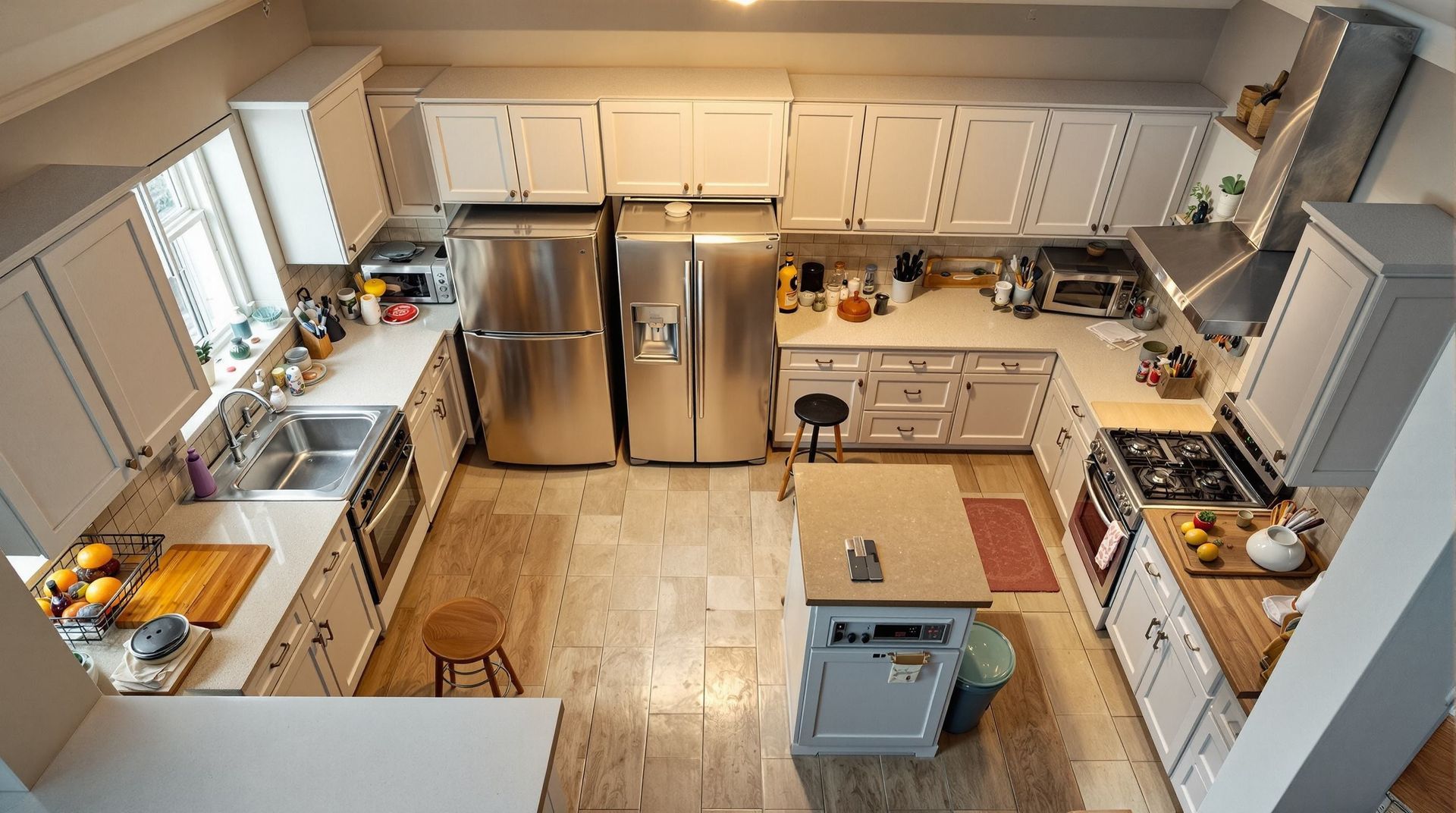
Kitchen Remodeling in Boyertown, PA: Layout Tips
Quick Take: Most kitchen layout mistakes happen before a single cabinet is ordered. In Boyertown, where many homes were built with closed-off, compartmentalized floor plans, a poor layout creates daily frustration that new finishes can't fix. Getting the layout right from the start is the most important step in any kitchen remodeling project.
Most homeowners spend months picking out cabinet finishes, countertop materials, and hardware. That part is enjoyable. But the layout decisions made early in the process determine whether the kitchen actually works. A beautiful kitchen with a bad layout will frustrate you every single day.
This is especially true in homes built before 1980. Many Boyertown kitchens were tucked away from the rest of the living space, with tight aisles and little room for today's appliances. Small layout missteps in these spaces get magnified quickly. Knowing what to watch for before construction starts can save you a significant amount of time, money, and stress.
The Work Triangle Still Matters
The work triangle connects your sink, stove, and refrigerator. Each leg of that triangle should measure between 4 and 9 feet. Too short and you're constantly bumping into yourself. Too long and every meal prep becomes a cardio workout.
When one point is out of position, the whole kitchen fights you. A refrigerator shoved into a far corner means a long walk every time you grab an ingredient. A stove placed too close to the sink makes it hard for two people to work at the same time. These aren't small inconveniences. They add up to real frustration over years of daily use.
Many homes in the area have appliances placed wherever the original builder had room, not where they make sense for cooking. Our kitchen design services start by measuring the existing triangle and identifying what needs to move before anything else gets planned.
Traffic Flow Gets Ignored Until It's Too Late
Aisle width is one of the most overlooked parts of kitchen planning. A single-cook kitchen needs at least 42 inches between counters and any island or opposite cabinet. A two-cook kitchen needs 48 inches. Anything narrower and people are turning sideways just to pass each other.
The problem shows up worst during busy moments. Someone is unloading the dishwasher while another person is trying to reach the stove. A child walks through while dinner is being plated. In a tight kitchen, these everyday moments become a real source of stress.
Many Colonial and Cape Cod homes in the Boyertown area were built with narrow galley-style kitchens. They weren't designed for the way families use kitchens today. A layout review early in the planning process catches these bottlenecks before walls go up and options disappear.
The Island Trap
Islands are one of the most requested features in a kitchen remodel. They also cause some of the biggest layout headaches when the sizing is off.
When the Island Is Too Large
Clearance around an island needs to be at least 42 to 48 inches on every side. Many homeowners underestimate how much floor space that actually requires. A large island in a modest kitchen leaves no room to open the oven, pull out a drawer, or walk through comfortably. It turns a feature into an obstacle.
When the Island Is Too Small to Be Useful
An island that's too small creates a different problem. Without enough counter surface, it can't function as a prep area or a serving space. It ends up as a place to drop mail and grocery bags. Before committing to an island, we look at the full floor plan to confirm the size actually works for the space.
Cabinet Placement That Works Against You
Cabinets take up more visual and physical space than any other element in the kitchen. Where they land affects light, movement, and how easy the space is to use every single day. The same placement errors come up again and again, especially in homes with compartmentalized original layouts.
- Upper cabinets hung too low: Standard height is 18 inches above the countertop. Any lower and you lose usable counter workspace near the wall.
- Refrigerator door swing into a cabinet face: This happens when there isn't enough clearance on the handle side. Opening the fridge becomes a two-step maneuver every time.
- Corner cabinets with no access solution: Dead corners waste a surprising amount of storage. Lazy Susans or pull-out shelves solve the problem but need to be planned before installation.
- Tall cabinets blocking natural light: Placing a pantry cabinet next to a window can darken the whole kitchen.
Mapping out kitchen cabinet placement in 3D before anything gets ordered is the most reliable way to catch these issues before they get built in permanently.
Appliance Sequencing You Can't Easily Undo
Most kitchen tasks follow a natural path. You grab ingredients from the refrigerator, move to the prep area, then cook, then serve. When appliances are placed out of that sequence, you end up crossing the kitchen dozens of times during a single meal. Those extra steps feel minor at first. Over time they wear on you.
Dishwasher placement is another common mistake. It needs to sit next to the sink to share the same plumbing connection. Placing it even a few feet away adds cost and complexity to the rough-in work. Moving it later means reopening walls and floors.
In homes with older plumbing, the lines often run in directions that made sense decades ago but create real obstacles today. We flag these conflicts early in the planning process so the layout gets solved on paper, not mid-construction when change orders start adding up.
Treating Ventilation as an Afterthought
Range hood placement is one of the last things homeowners think about and one of the first things that causes problems. A hood needs to sit 24 to 30 inches above a gas range and at least 24 inches above an electric one. Too high and it loses effectiveness. Too low and it becomes a hazard.
Ductwork is the part that catches people off guard. An island hood needs a duct run through the ceiling and out of the house. That path affects what can be built above it, including cabinet placement and lighting. Deciding on ventilation late in the process means revisiting work that was already planned and priced.
The style of hood also shapes the surrounding layout. A larger statement hood requires more wall space and limits what cabinetry can sit beside it. If you're considering a custom or oversized hood, that decision needs to come early, not after the cabinet order is placed. Hickory Hill Kitchen and Bath carries a range of hood options and can help you find one that fits your cooking style and your ceiling height.
The same questions apply if you are planning a bath remodeling project in Boyertown. A bathroom is a smaller space, but the team structure matters just as much.
Getting the Layout Right Before You Build
Layout mistakes are easy to make and hard to fix once construction is done. The good news is that every mistake covered here is completely avoidable with the right planning process in place. Catching these issues on paper costs nothing. Catching them after the drywall goes up costs considerably more.
The Boyertown area has a large stock of homes that were simply not built for modern kitchen use. Tight floor plans, outdated plumbing locations, and closed-off layouts all affect what a remodel can realistically accomplish. Understanding those constraints before work begins is part of what separates a smooth project from a frustrating one.
Hickory Hill Kitchen and Bath has been helping homeowners in the Boyertown area plan and build kitchens that actually work since 1990. Every project starts with a thorough layout review so problems get solved before they become permanent. If your kitchen is no longer working for you, that's a good place to start the conversation.