
Traditional & Contemporary Bathrooms in Boyertown, PA
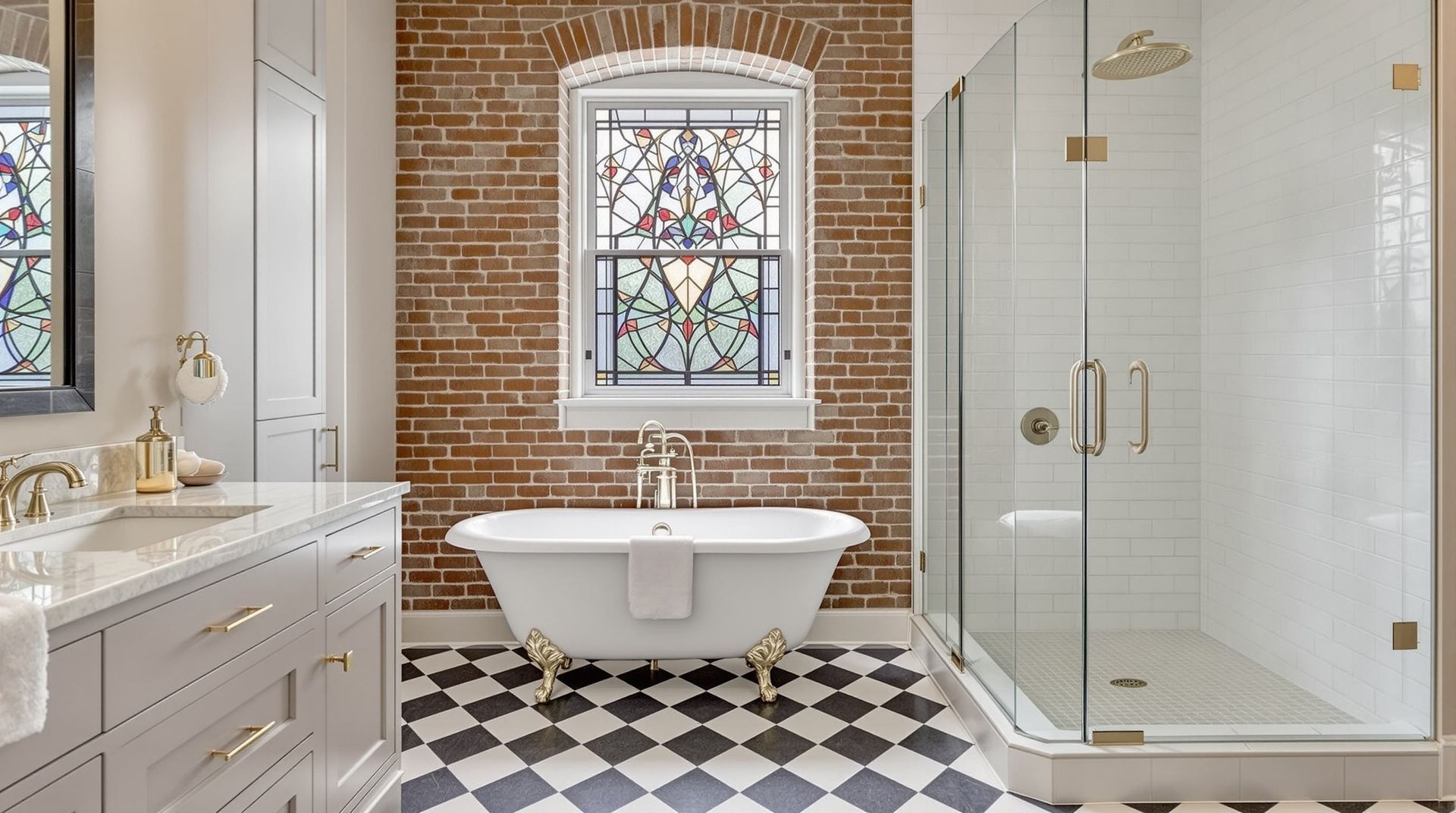
Plenty of homeowners reach a point where they're ready to update their bathroom but don't want to lose the character that's lived in their home for decades. That's especially true in Boyertown, where so many houses-colonials, Cape Cods, mid‑century builds-come with charm that's hard to replace. The real challenge is figuring out how to bring in the comfort and function you want today while keeping the personality that made you fall in love with your home in the first place.
Plenty of homeowners reach a point where they're ready to update their bathroom but don't want to lose the character that's lived in their home for decades. That's especially true in Boyertown, where so many houses-colonials, Cape Cods, mid‑century builds-come with charm that's hard to replace. The real challenge is figuring out how to bring in the comfort and function you want today while keeping the personality that made you fall in love with your home in the first place.
This guide walks you through how to blend both styles in a way that feels grounded in your home’s architecture and your own day‑to‑day needs-especially in Boyertown’s older spaces, where layout and materials can come with a few surprises.
Why Blended Bathroom Styles Work So Well in Boyertown Homes
Boyertown homes have a personality you can feel the moment you walk in. The floors, the trims, the way the rooms were laid out decades ago-there’s a story already baked into the house. So, when you start thinking about updating a bathroom, or even planning a full bathroom remodeling project, it’s completely normal to want something that feels fresh without losing the character that makes your home feel like yours.
That’s where a blended style really shines. When you mix traditional and contemporary elements, you’re not trying to force the space into a totally new identity. You’re giving it room to grow. Instead of replacing every older detail, you get to keep the pieces that carry charm-like warm woodwork, classic tile patterns, or a layout that reflects the home’s history-while adding modern touches that make daily life easier.
This approach is especially helpful because many Boyertown bathrooms weren’t designed with today’s needs in mind. They can be tight, dimly lit, or low on storage. Blending styles lets you open things up visually with cleaner lines and updated materials, without wiping out the details that tell the home’s story. It’s a way of honoring the past while making the space work better for the present.
Key Elements That Help Bridge Traditional and Contemporary Design
Blending styles is easier when you know which choices carry the most impact. Here’s where to focus your attention.
1. Vanities and Storage That Stay Classic but Clean
Shaker‑style cabinetry is a favorite in Boyertown remodels because it naturally sits between traditional and modern. Pair it with simple hardware, soft neutral colors, or a warm wood finish for a look that feels polished but not overly sleek.
A few examples that work well:
This is paragraph text. Click it or hit the Manage Text button to change the font, color, size, format, and more. To set up site-wide paragraph and title styles, go to Site Theme.
2. Tile: Where Old Meets New
Tile is one of the easiest ways to mix styles without overthinking it, and it's often where kitchen and bath tile choices really start to influence the look and feel of the room.
Traditional patterns like subway, basketweave, or hex tile feel right at home in Boyertown’s older architecture. But you can pair them with modern elements like a large-format shower tile, a textured porcelain accent wall, or clean-cut edges to keep things feeling current.
A simple rule: if one material has strong character, let the other stay quiet.
3. Countertops That Balance Style and Everyday Use
Quartz with subtle veining works well when you want the timeless feel of marble without the upkeep. It pairs comfortably with both traditional cabinetry and modern lighting. Natural stone can also be a great fit in historic homes, as long as you're open to a little maintenance.
Choose patterns that support your design instead of competing with it.
4. Fixtures and Lighting That Pull It All Togetherv
Mixing metal finishes is completely allowed-just do it with intention. For example:
- A brushed nickel faucet with a soft brass sconce
- Matte black shower hardware with warm wood tones
Layered lighting makes a huge difference in older bathrooms. Try one overhead light, one task light near the mirror, and one accent light to soften shadows.
Common Boyertown Bathroom Challenges and How Blended Styles Help
Older homes around Boyertown tend to have a few predictable issues. Here’s how a blended design helps you work around them.
1. Tight Layouts
Many bathrooms were built smaller than today’s standards. A blended style lets you:
- Use clean modern lines to visually open the space
- Keep classic materials that tie into the rest of the home
- Choose floating vanities or shallow vanities for more floor room
2. Dormer Ceilings and Low Angles
Cape Cods around town often come with low ceilings or tucked‑away bathroom spaces. Contemporary elements like wall‑mounted fixtures or vertical tile patterns help draw the eye upward, balancing out the room.
3. Older Plumbing and Structural Surprises
Older pipes, unexpected framing, and load‑bearing walls can shape what’s possible. The blended style shines here because you’re not forcing the room to match one strict aesthetic. Instead, you're working with the home naturally.
How To Keep Your Design Balanced
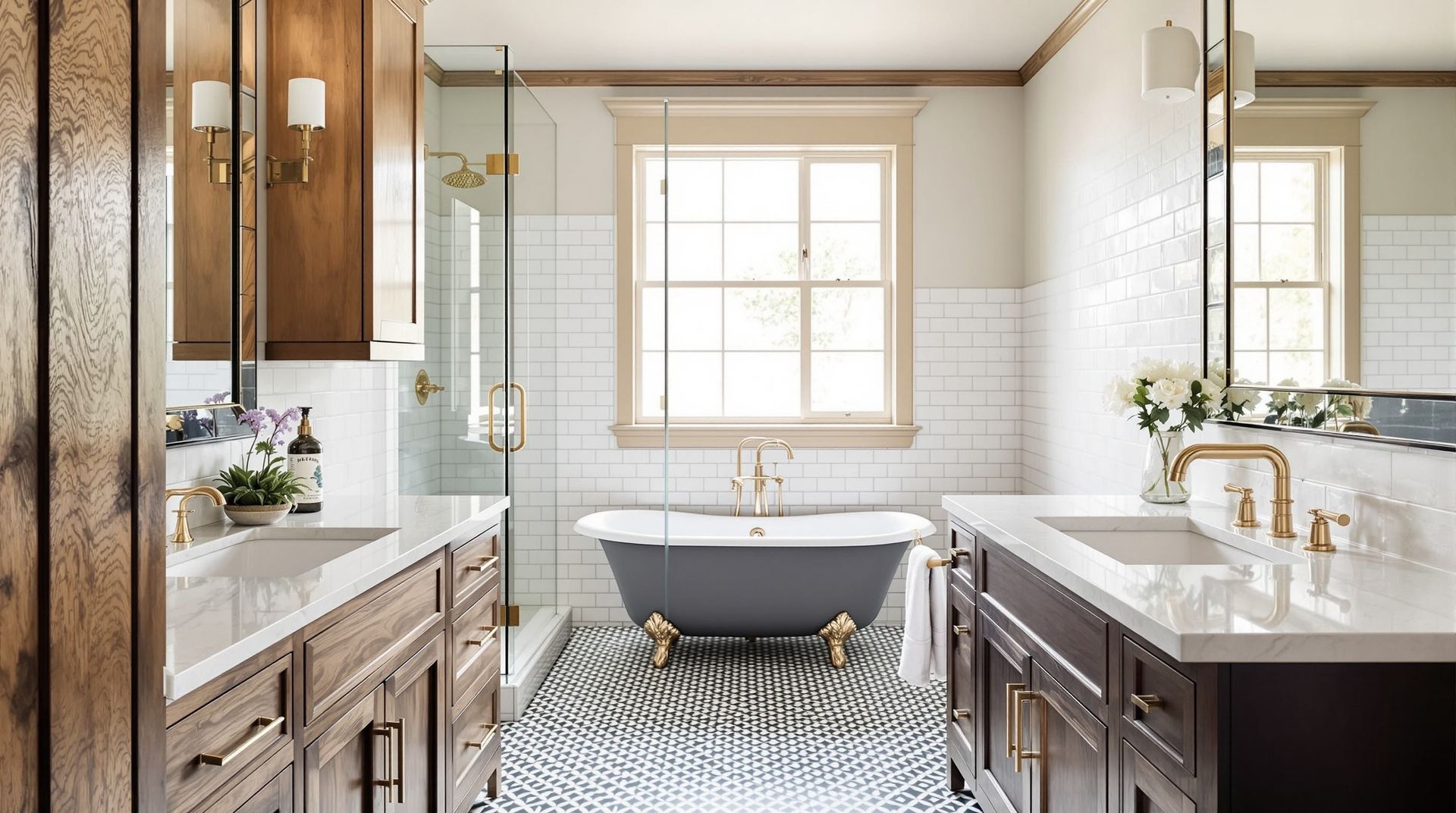
Keeping a blended bathroom design feeling steady and intentional really comes down to choosing a direction and letting everything else follow. Think of it like setting the tone for a room: once you know the vibe you’re aiming for whether it leans more traditional or more modern-the rest of your decisions feel a lot less scattered. When you start with a clear anchor, you’re not trying to split everything evenly. You’re just letting one style lead while the other plays a supporting role.
Color helps with that balance too. Most older Boyertown homes look great with soft whites, warm grays, muted blues, or natural wood tones, but the real trick is choosing shades that work well together. Lay your samples out side by side and see how they react in your bathroom’s light. You’ll know right away when something feels "off" or doesn’t belong. A simple, consistent palette makes the whole room feel pulled together without trying too hard.
Tips That Make the Selection Process Easier
You don’t need to make every decision at once. Here’s a simple way to move through your choices with less stress.
1. Start With Your Favorite Element: If you love a tile pattern, vanity style, or fixture finish, build around it. Using one item as your guide makes the rest of the decisions fall into place.
2. Compare Samples in the Same Lighting: Your bathroom’s natural light may be limited, especially in older homes. Look at your samples in the room they’ll live in. You’ll catch mismatched tones right away.
3. Avoid Mixing Many Metal Finishes: Choosing whites that work with your existing trim helps the room feel more consistent, and pairing simpler tile with a quieter countertop keeps the space from feeling busy. It also helps to plan storage early on so everything has a place.
4. Bring In Professional Input When You Need It: A designer who knows older Boyertown homes can help you work with tricky layouts, unusual angles, and material transitions. Even one conversation can save you from choices that don’t age well.
Conclusion
Blending traditional and contemporary styles isn’t about following a trend. It’s about letting your home keep its personality while giving yourself a bathroom that feels comfortable and easy to use every day. When you take your time, choose materials you actually like, and work with the character your home already has, the result feels natural-like the room always belonged that way.
Explore ideas, gather a few samples, and see what speaks to you. And when you’re ready for guidance or a second opinion, there’s always someone nearby who understands Boyertown’s older homes and the families who live in them.