
Durable Surfaces for Boyertown, PA Kitchens & Baths
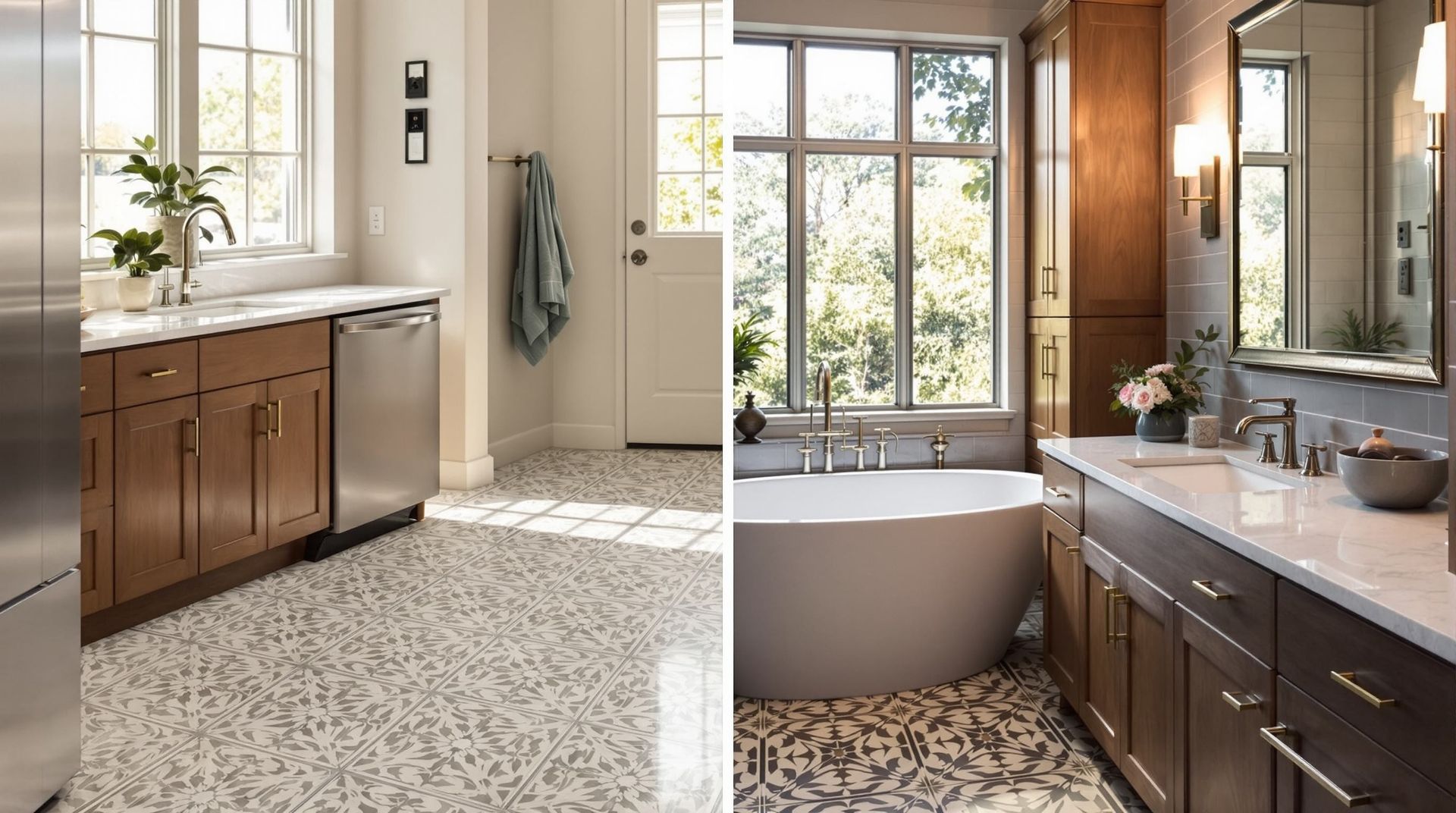
Older homes throughout Boyertown have a lot of charm, but the surfaces in the kitchen and bathroom often show their age first. Counters scratch, flooring starts to wear down, and tile loses its finish after years of moisture and daily use. At some point, the materials that once held up just can’t keep pace with how you live now.
Choosing new surfaces can feel like a bigger task than expected. Looks matter, but so does durability, maintenance, and how everything reacts to heat, humidity, and constant cleaning. With many Boyertown homes built between the 1930s and 1970s, uneven floors, aging plumbing, and tighter layouts often play a role in what makes sense. Once you understand how these elements fit together, it becomes much easier to choose materials that last.
This guide breaks things down in a straightforward way. You’ll learn what performs well in a busy home, what fits older floorplans, and what will still feel right years from now. Let’s dive in.
Start With How Your Home Functions
It helps to look at how your kitchen or bathroom actually works day to day. Some spots get constant traffic, others stay relatively quiet, and certain areas take more splashes, heat, or humidity than you realize.
Older Boyertown homes often have narrower walkways or more enclosed layouts, which means floors and counters in those tighter spaces see extra wear. Moisture and seasonal humidity swings also affect how wood, tile, and other surfaces hold up over time.
Once you understand where the busiest zones and moisture-heavy areas are, it becomes much easier to choose surfaces that can stand up to your routine.
Countertops That Balance Strength and Style
Countertops take on spills, heat, and daily prep, so picking a surface that can handle real use makes life easier. Here are a few options that stay dependable without much effort.
- Quartz: Durable, nonporous, and low maintenance.
- Granite: Heat resistant with natural variation; needs occasional sealing.
- Butcher block: Warm and natural; best for lighter prep due to regular upkeep.
- Mixing materials: Helpful when you want durability in main areas and character on an island or secondary zone.
Once you know how each surface performs, choosing becomes simpler. Next, let’s take a look at flooring and how to choose something that can handle constant foot traffic..
Flooring Built for Real Life
Kitchen and bathroom floors deal with anything you can throw at them: water, spills, pets, heavy foot traffic, even the occasional dropped pot. In older Boyertown homes, the subfloor might not be perfectly level, so choosing the right material matters even more. These options tend to hold up well in real households.
- Tile: A long-lasting choice that handles moisture with ease. Porcelain is denser than ceramic and absorbs less water, which makes it especially reliable in bathrooms. Both offer a wide range of styles and can handle daily wear.
- Luxury vinyl plank (LVP): A smart option for homes with uneven subfloors or seasonal humidity changes. It’s water resistant, comfortable underfoot, and available in wood and stone looks. A good wear layer, usually 12 to 20 mil, helps it stay in good condition over time.
- Coordinating with the style of your home: Colonial, Cape Cod, and mid-century homes around Boyertown often look best when flooring respects the proportions and character of the space. This doesn’t mean old fashioned. It simply means choosing flooring that complements the house instead of competing with it.
Once you understand how your floors respond to daily life, the best options become clearer. Now let’s move on to cabinetry finishes and how they hold up under constant use.
Cabinetry Finishes That Hold Up Over Time
Cabinets are touched every day, and the finish you choose sets the tone for long-term durability. Boyertown homes often have active kitchens, so understanding how each finish behaves makes a real difference.
- Painted finishes: Clean and modern. They can show wear a bit sooner on high-touch areas like corners and around handles, but touch-ups are usually straightforward.
- Stained finishes: A good choice if you want to see the wood grain. Stain tends to hide small dents or scuffs better than paint, especially in busy homes.
- Material and construction quality: Plywood boxes and solid wood fronts generally hold up better than particleboard over time. Soft-close hinges and durable drawer glides also keep cabinets feeling sturdy.
- Seeing options in person: Lighting changes how cabinet colors look, so viewing samples in person helps you avoid surprises.
You can explore options here whenever you’re ready:
Tile for Backsplashes and Shower Walls
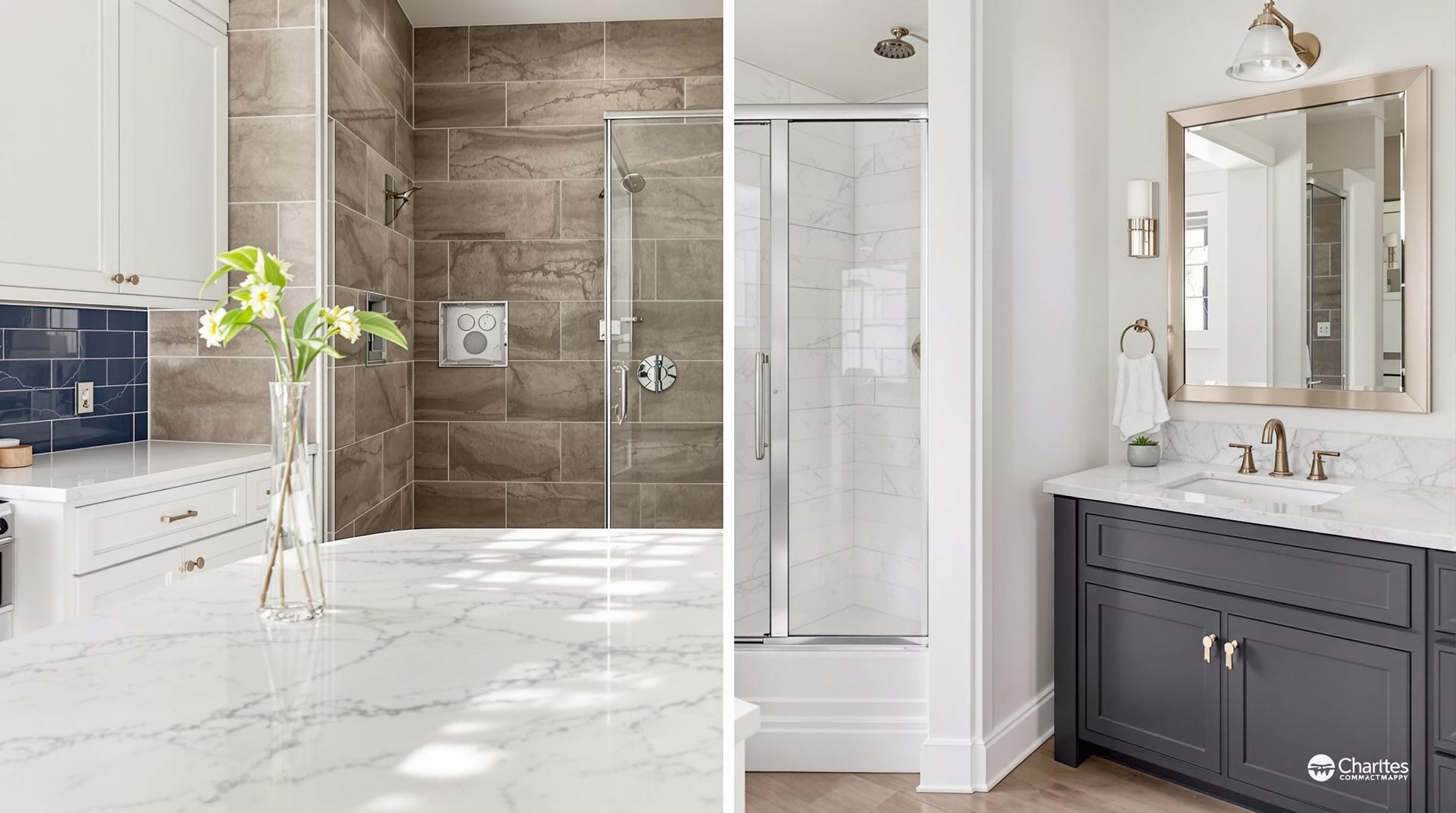
Tile protects the walls, adds texture, and holds up to moisture better than most materials. With so many shapes and finishes available, even small sections of tile can change the character of the room. Here are choices many homeowners return to.
Balancing Durability, Style, and Budget
Durability and style come together when you focus first on the areas that take the most wear. Counters, flooring, and shower walls usually handle the bulk of daily activity, so choosing strong materials for these spots simplifies the rest of your decisions.
Budget plays a role too, since some materials need more ongoing care while others stay reliable with little attention. Thinking about long-term performance instead of only upfront cost helps you make choices that feel practical and steady.
Older Boyertown homes can reveal surprises once work begins, and choosing dependable materials gives you more confidence as things move forward. If you want to see how these decisions connect within a larger kitchen remodeling plan, you can take a look when the timing feels right.
With the main surfaces selected, the next step is seeing everything in person.
How to Compare Materials in Person
Seeing surfaces in person makes a noticeable difference. Colors shift under different lighting, textures feel different when you touch them, and you get a better sense of how finishes will look together. Taking a thoughtful approach during your visit helps you make confident choices.
- Look at materials under different lighting to see how they change throughout the day.
- Touch the surfaces to get a sense of texture, grip, and how easy they might be to clean.
- Ask how each material holds up to heat, moisture, and daily activity in a busy household.
- Compare samples side by side so you can see how the tones and finishes work together.
- Bring a few photos of your space to help visualize the materials in your home.
When you ask the right questions and take your time with samples, the whole decision-making process feels much smoother. Now let’s wrap everything up.
Conclusion
Boyertown homes each have their own quirks and strengths, and the surfaces you choose should reflect that. Choosing surfaces for a kitchen or bathroom may feel overwhelming at first, but once you break the options down, everything starts to fall into place. You learn which materials support your routines and which ones might cause headaches later. The real goal is creating a space that feels comfortable and works with the way you live.
If you ever decide to plan out the bigger picture of how your surfaces, layout, and storage all work together, exploring kitchen design can help you think through those details naturally.