Mid-Century Modern Kitchens in Boyertown, PA
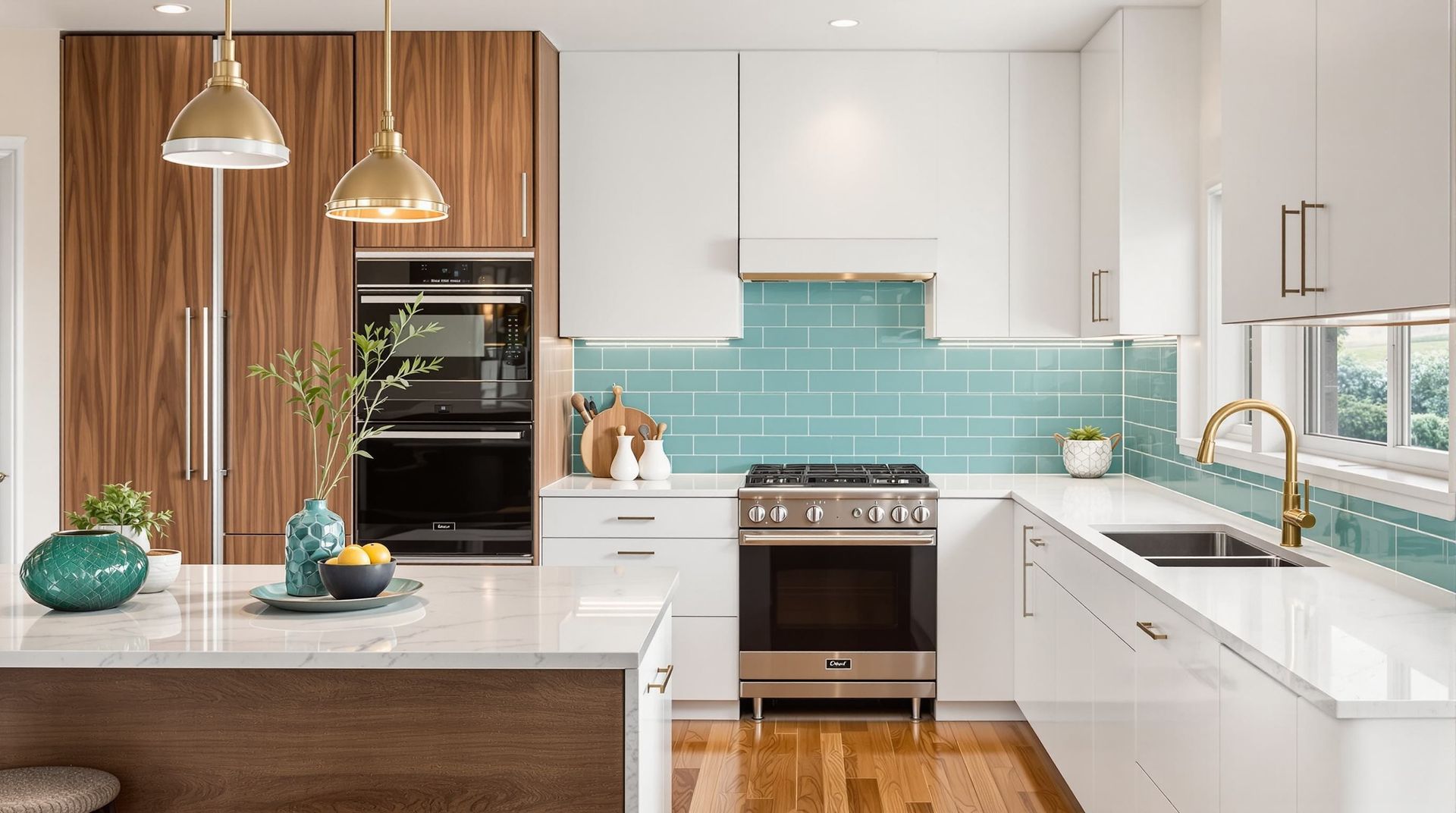
Mid-Century Modern design has a way of catching your eye without trying too hard. Maybe it is the clean lines, maybe the warm wood tones, or maybe the calm, steady feel it brings to a room. Whatever the reason, many homeowners in Boyertown are finding themselves drawn to this look.
The real challenge is not liking the style. It is figuring out how to bring those signature details into a kitchen that needs to handle the chaos of real life. You want something stylish, but you also need the space to work. That balance can feel tricky at first, but once you understand what defines Mid-Century Modern design and how its elements can adapt to different types of homes, the whole process becomes much easier.
So, let’s take a walk through the essentials. You will learn what makes this style special and how it naturally connects to thoughtful kitchen design, how to incorporate it into your Boyertown kitchen, and what choices create the biggest impact. We will also look at examples of how these ideas play out in real homes. By the time you reach the end, you should have a clearer sense of what feels right for your space.
What Defines Mid-Century Modern Style?
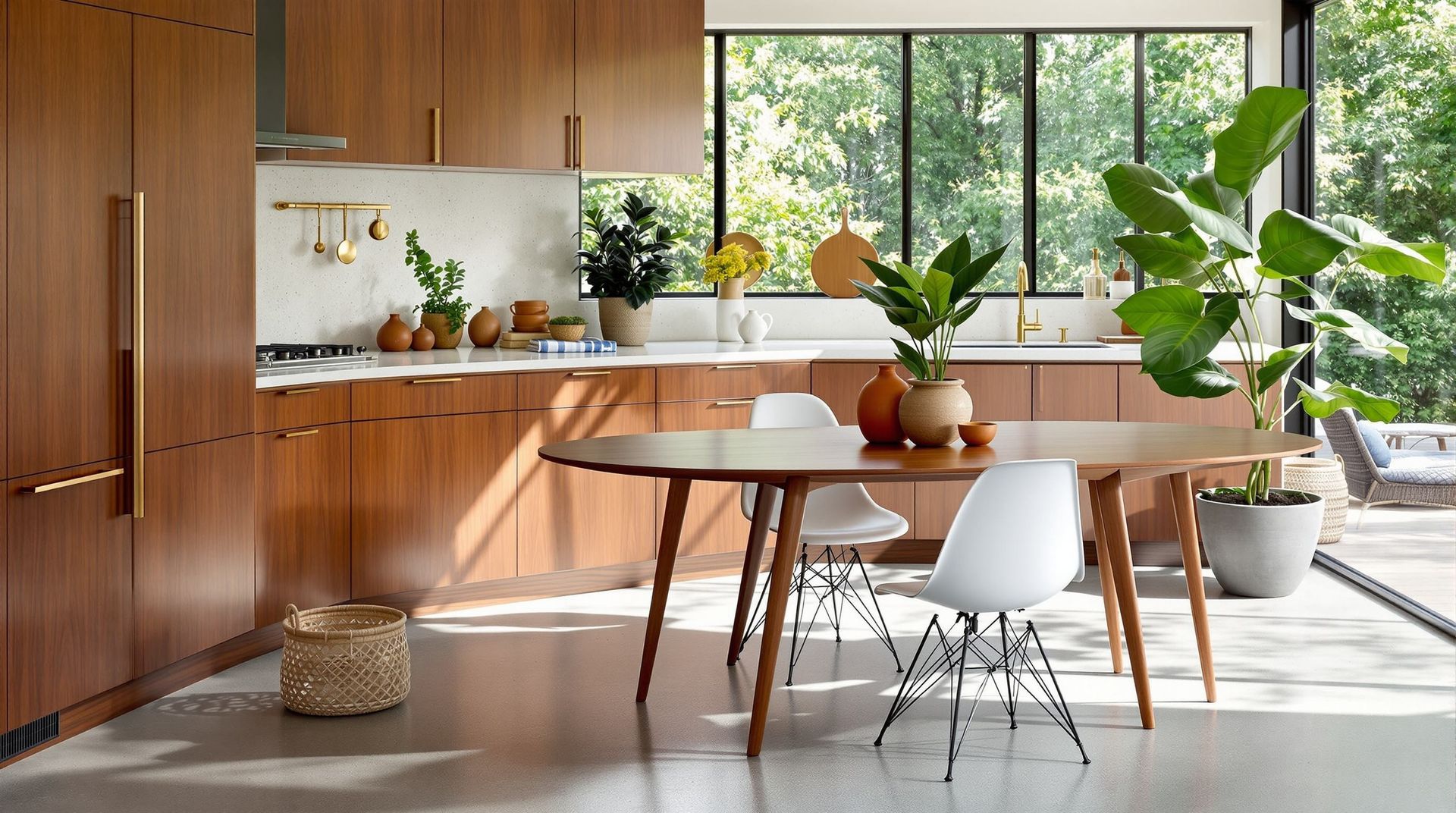
Mid-Century Modern design grew out of a desire for simple, functional living spaces. It focuses on clean shapes, open surfaces, and materials that feel honest rather than showy. If you have ever admired a kitchen that seems calm, warm, and intentionally designed without being fancy, that is the core of this style.
Straight lines are one of its biggest trademarks. Cabinets, shelving, and lighting often follow simple, geometric shapes that give the space a sense of organization. In Boyertown homes, where kitchen layouts can vary widely, this kind of simplicity works surprisingly well. A clean backdrop helps even a compact kitchen feel more open.
This is paragraph text. Click it or hit the Manage Text button to change the font, color, size, format, and more. To set up site-wide paragraph and title styles, go to Site Theme.
Warm woods are another key element. Walnut, oak, and teak are common choices, and each one adds a slightly different personality. Walnut tends to look rich and smooth, while oak has a bit more visible grain. If you have a smaller kitchen, lighter finishes can brighten the room without losing the mid-century feel.
Color also plays an important role. Soft neutrals and earthy greens or blues mix well with wood tones and create that subtle, relaxed atmosphere many people love. A classic mid-century palette does not rely on loud color. Instead, it uses smaller accents to add interest.
Altogether, these elements create a style that feels grounded and adaptable. It is a look you can shape around your own habits, not something that forces you to build the kitchen around the style.
Ways to Bring Mid-Century Modern Elements Into Your Kitchen
Cabinet Styles That Fit the Look
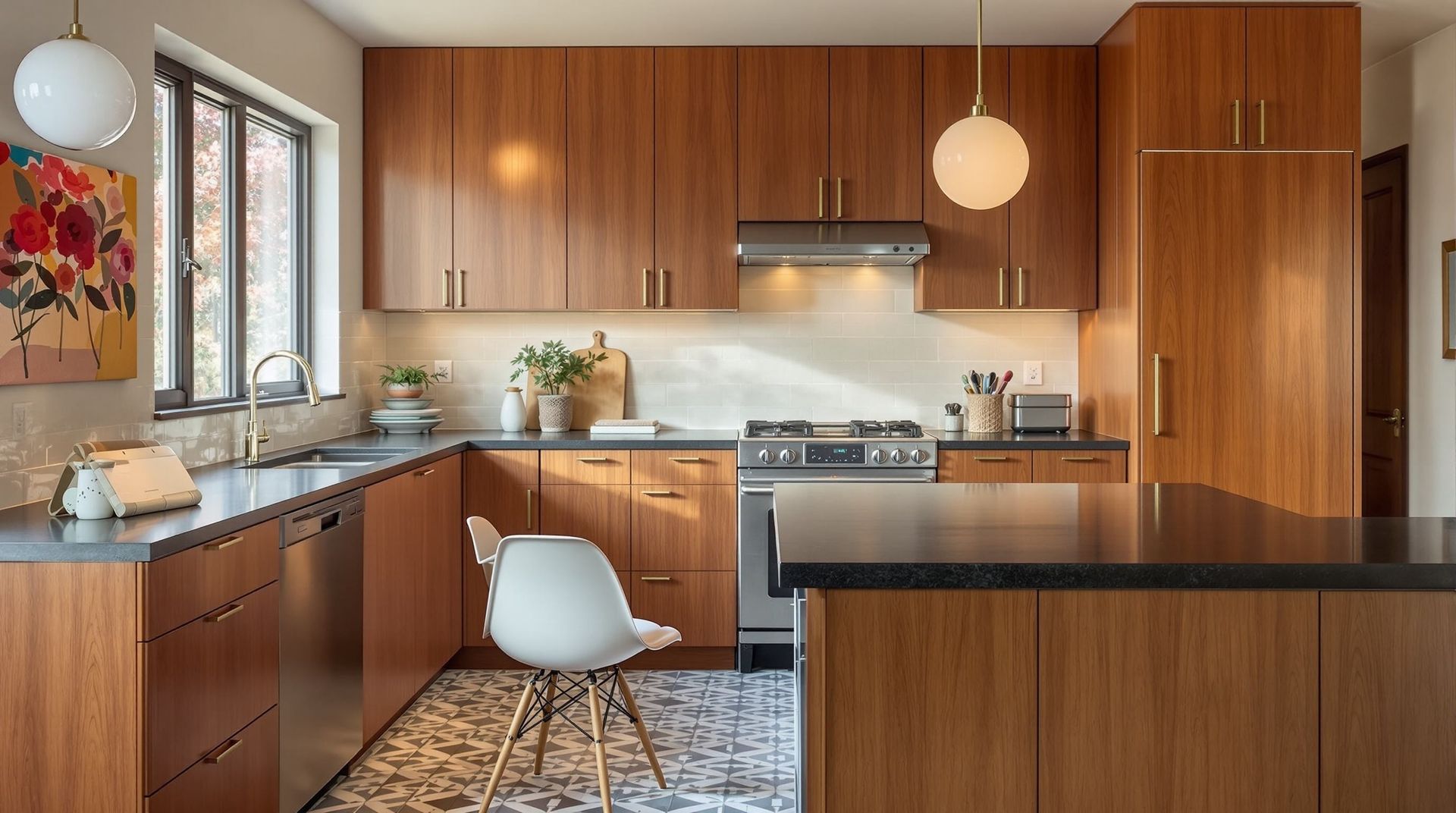
Cabinetry often sets the tone for the whole kitchen. If you want a true Mid-Century Modern feel, flat-panel doors are an easy place to start. Their clean surfaces make the room feel streamlined, especially when paired with warm wood finishes. Even small adjustments, such as choosing simple, horizontal hardware, can give the space a subtle retro feel without making it look dated.
In older Boyertown homes, where cabinet space may be limited, clean lines can make the kitchen feel more open. If full wood cabinetry feels too visually heavy, a combination of wood lowers and painted uppers can strike a nice balance for anyone considering a future kitchen remodeling project.
Countertops and Backsplashes That Add Character
The surfaces you select help define the kitchen’s personality. Quartz in cream, sand, or light gray works well because it complements mid-century palettes while giving you a sturdy surface. Backsplashes can add a little more creativity. A geometric tile in soft colors or a simple stacked pattern brings in quiet detail.
For example, one Boyertown homeowner with a 1960s ranch-style home used off-white quartz counters paired with a muted green backsplash tile. The space instantly felt brighter, and the colors played nicely with the warm oak cabinets they already loved.
Lighting That Makes a Statement
Lighting is one of the easiest ways to lean into the style. Globe pendants, cone-shaped fixtures, or simple metal designs all fit naturally into a mid-century kitchen. A single pendant above a peninsula or a pair of lights over an island can shift the whole mood of the room.
If your kitchen feels a bit dim, layered lighting can help. A combination of ceiling fixtures and warm under-cabinet lights can make everyday tasks easier while keeping the atmosphere relaxed.
Furniture and Decor That Pull the Room Together
The final touches are where personality really comes through. Barstools with tapered legs, open shelves with a few meaningful pieces, or a simple bowl with fresh fruit can all add energy without overcrowding the space.
In a smaller Boyertown kitchen, where counter space is at a premium, keeping decor light helps the room feel open. A couple of well-chosen accents will usually do more than a packed shelf.
Designing a Mid-Century Modern Kitchen That Fits Your Boyertown Home
Balancing Style With Everyday Life
Even if you love the look, your kitchen still needs to support your daily routines. The style works best when combined with choices that make cooking, cleaning, and gathering easier.
Here are a few decisions that help the space feel both beautiful and usable:
- Cabinets that store everyday items at eye level
- Lighting placed where you actually need it
- Durable materials that can handle kids, cooking, and long days
- Layout decisions that follow the way you naturally move through the kitchen
Once these fundamentals are in place, the style becomes easier to build around, especially when you think about how kitchen design shapes daily routines.
Finding Solutions That Fit Local Homes
Boyertown has a mix of older homes and newer builds, and each type brings different challenges. Some kitchens have tight footprints or limited natural light. Others have generous layouts but need help finding a clear style.
For example, a Cape Cod kitchen may have sloped ceilings that make pendant lights tricky. In that case, using globe flush mounts can give you the mid-century feel without crowding the space. In a colonial-style home with a boxed-in kitchen, removing a partial wall or widening a doorway can help the clean lines of the style shine.
Upgrades That Complete the Look
Once the layout and main materials feel right, a few additional upgrades can help finish the space:
- Warm, natural wood flooring that ties the room together
- Open shelving that provides light storage
- Appliances with a simple, modern design
- Finishes that match across hardware, lighting, and fixtures
- A consistent palette that flows through the whole kitchen
Homeowners often find that these touches are what make the design feel cohesive.
Why Mid-Century Modern Works Well in Boyertown Kitchens
Mid-Century Modern design is surprisingly flexible. It works well in the older, compact kitchens you see throughout Boyertown, and it suits more open, contemporary layouts too. The clean lines help smaller spaces feel larger, while the warm woods bring balance to newer homes that may feel a little too modern.
The style also adapts well to busy households. Slab-front cabinets are easier to wipe down. Quartz countertops hold up well to spills. Wood accents warm up the room without demanding extra care. The style’s focus on practicality makes it easier to live with than many people expect.
If you like the warmth of traditional design but prefer the simplicity of modern spaces, this style often lands right in the middle.
Conclusion
Mid-Century Modern design brings together warmth, simplicity, and a sense of calm that suits many Boyertown kitchens. Once you understand the pieces that give the style its character, you can start imagining how they could work in your own home. Whether that means choosing a warm wood cabinet finish, swapping out lights for globe pendants, or adding a few selected accents, the style can be adapted to fit almost any layout.
The best part is that none of these changes need to happen all at once. You can build the look over time or plan a more complete update. Either way, the result is a kitchen that feels intentional, welcoming, and ready for everyday life.
If you decide to take the next step, working with a professional design team can help you sort through materials, compare options, and figure out what fits both your home and your routines. A thoughtful plan makes a big difference, especially when you want a style that feels both timeless and personal.